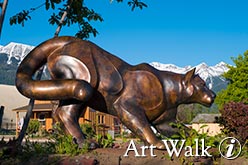
Eagle Cap Wilderness
The Eagle Cap Wilderness, at 361,446 acres (556 sq miles) is Oregon's largest. Within these white, salt-and-pepper granite mountains, you'll find approximately 534 miles of developed trails and over 50 lakes to explore, including Legore at an elevation of 8,880 feet- Oregon's highest.
Prior to the coming of the white man, this was all part of the homeland of the Niimipu (Nez Perce). They used this area primarily in the summer months for grazing their horses, hunting, fishing and the gathering of huckleberries and other plants. Most of the trails in use today were long established by the Nez Perce, although the Forest Service made switchbacks in certain places to deal with the steep terrain.
The ecosystems vary from cool, mixed fir & pine forests, to high alpine meadows. Almost everywhere you hike you'll plenty of cold, clear water. Classic glacial cirque lakes are common with many that have both stocked and natural populations of Eastern Brook and Rainbow Trout. Elevations range from about 3,000 feet to 9845 feet (Sacajawea Peak) and there are 31 other summits exceeding 8,000 feet. The most popular area within the Eagle Cap is the Lakes Basin Management Area which caries some additional restrictions due to its popularity.
Trails vary from easy to difficult and most are rocky. Horses should be freshly shod and a temporary boot/shoe should always be part of your gear.
Wildlife includes Mule Deer, Elk, Mountain Goat, Bighorn Sheep, Pine Squirrel, Pica, Pine Martin, Mink, Beaver and River Otter. There are also Black Bear, Cougar, Coyotes, Red Fox and Wolves- though the chances of an encounter are rare and there is no record of any attacks in this area from any of the top predators.
While many are content to admire the beauty of these mountains from the outside, entering the core opens up an experience that totally upends the notion that 'beauty is only skin-deep.' Your appreciation of this National Treasure increases exponentially with every effort you make to explore farther into it.
See the USDA Forest Service, Eagle Cap page for more detailed information or visit our hiking page for trail information.


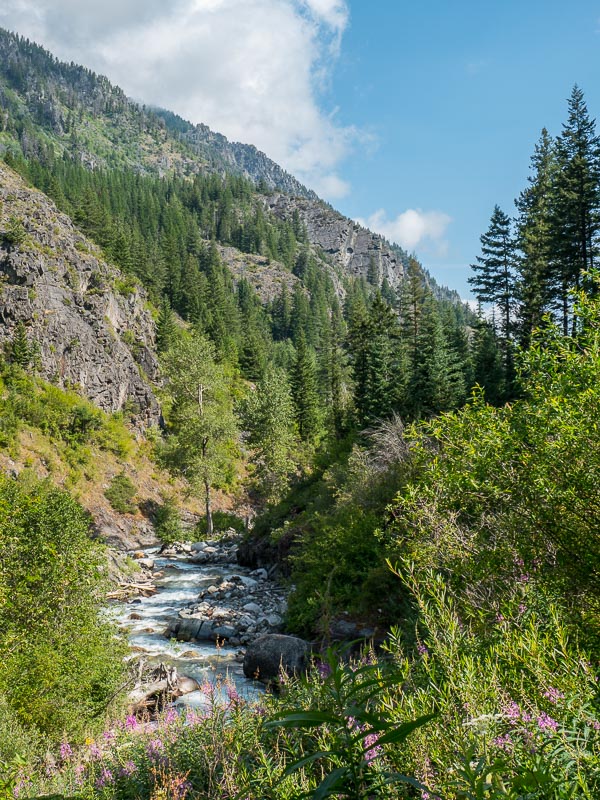
 You don’t have to go far to find something spectacular around Joseph. Start at the Wallowa Lake Trailhead and head up the West Fork Trail (#1820) on the right. Go about ¼ mile to where the trail forks and go right at that fork. In just a few feet you’ll see that the main trail follows left in about the same direction (upstream) that you were going at the fork, but if you want to see the falls, you’ll need to follow the less-used trail to the right (downstream, in the opposite direction of the main Chief Joseph Trail).







 Travel into the countryside and witness spectacular winter scenes complete with wildlife as many of the deer and elk are driven down into the valleys. Wallowa County also boasts a large population of wintering hawks and other various birds.
 Ready for some casual fun? Go sledding up on Alder Slope; the traffic is light so almost any hill will do. Strap on some skis and take a leisurely jaunt around the local parks at Wallowa Lake or Iwetemlaykin. Throw on some snowshoes and hike up the West Fork or Hurricane Creek Trails. Please, always check the
  A fun event of the spectator kind happens at Fergi in January and includes our furry friends.
  Want a real adventure? Further to the east of town you’ll find another winter recreational area called
  The snowmobile side has 175 miles of groomed trails and beyond that you’ll find other trails and roads that will allow you to travel as far as your skill and fuel will take you. The area is large enough to permit plenty of varied, uncongested riding through some of the most beautiful country in the world.